
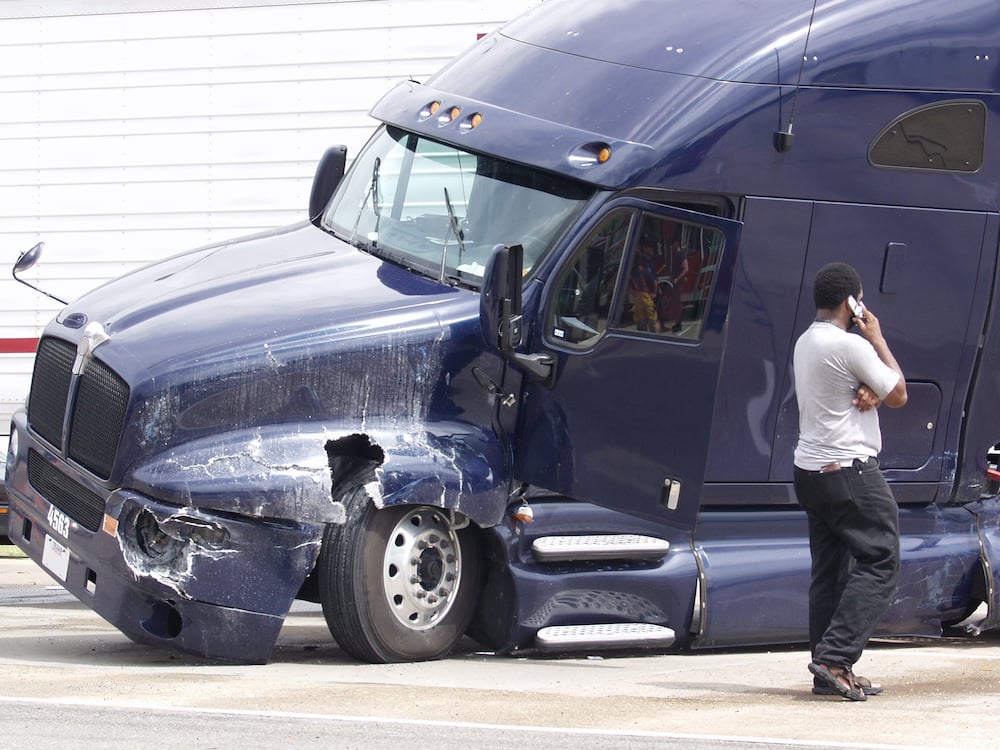
Internet-connected fleet dashcams have become a core part of trucking safety programs because they do more than record the road. They help fleet managers access video remotely, review incidents faster, protect drivers from false claims, and connect safety events with the rest of the fleet’s operating data.
For trucking carriers, the right dashcam should fit the way drivers and office teams already work. Clear video matters, but so do cloud video access, real-time safety coaching, ELD integration, GPS tracking, driver availability, compliance monitoring, and support when something goes wrong.
This 2026 roundup compares seven internet-connected fleet dashcams for trucking companies that want stronger visibility, better safety workflows, and fewer disconnected tools.
What Makes A Fleet Dashcam Internet-Connected?
A basic dashcam records footage locally. An internet-connected fleet dashcam connects the vehicle to the cloud so authorized team members can access video, event clips, alerts, and location data without waiting for the truck to return.
That matters in trucking because incidents do not always happen near the office. A fleet manager may need to review a crash, parking lot damage, customer complaint, harsh driving event, or disputed claim while the driver is still on the road.
Internet-connected systems can also support real-time coaching, remote video access, cloud storage, GPS tracking, driver alerts, and compliance workflows. For trucking safety programs, that makes the dashcam part of a larger operating system instead of a standalone camera.
Quick Comparison Of Internet-Connected Fleet Dashcams
This table gives fleet managers and safety directors a simple way to compare each dashcam by its strongest use case. The best choice depends on whether your fleet needs trucking-specific operations support, AI coaching, cloud video access, compliance monitoring, or a broader telematics ecosystem.
|
Rank |
Dashcam |
Best Fit |
Key Strengths |
Main Consideration |
|
1 |
Blue Ink Tech BIT Dashcam |
Trucking fleets that want dashcam, ELD, GPS, Air Scale, and fleet visibility in one platform |
Cloud video access, diagnostic-port install, real-time GPS, built-in ELD capability, DVIR support, Air Scale connection, API access, U.S.-based support |
Best fit for carriers that want a trucking-focused connected platform, not just a camera |
|
2 |
Samsara AI Dash Cams |
Larger fleets focused on AI safety programs |
AI alerts, coaching workflows, HD video, event review, broad fleet operations tools |
May be more platform-heavy than smaller carriers need |
|
3 |
Motive AI Dashcam Plus |
Fleets that want AI detection and driver communication tools |
AI detection, cloud video access, live communication, dashboard footage review |
Strong AI focus; compare fit with trucking-specific compliance workflows |
|
4 |
Lytx Fleet Dash Cams |
Established video safety programs |
Cloud-connected video, searchable dashboard, coaching, incident review |
Good safety program fit; review ELD and IFTA workflow needs |
|
5 |
Netradyne Driver•i |
Fleets focused on driver behavior scoring |
AI alerts, scorecards, in-cab coaching, driver recognition |
Strong behavior analysis; compare compliance and operations fit |
|
6 |
Geotab GO Focus AI Dash Cam |
Fleets already using MyGeotab |
MyGeotab integration, AI safety sensors, telematics data, event review |
Best for fleets already inside the Geotab ecosystem |
|
7 |
Verizon Connect Integrated Video |
Fleets already using Verizon Connect tracking |
HD video, AI alerts, driver coaching, fleet tracking connection |
Best for Verizon Connect users who want bundled video |
How We Ranked These Fleet Dashcams
This list is ranked around trucking use cases, not just camera resolution or AI features. Fleet managers and safety directors usually need a dashcam that works inside the full safety and compliance process.
The most important ranking factors were cloud video access, false accident claim reduction, real-time safety coaching, ELD integration, compliance monitoring, GPS visibility, installation simplicity, and trucking-specific workflow fit.
Cloud Video Access
The best systems make it easier to access video from the office, review safety events, and pull footage when a claim, complaint, or accident needs attention.
False Accident Claim Reduction
Dashcams can help provide video evidence for crashes, parking incidents, hit-and-runs, and disputed liability. This helps protect drivers and carriers when the video shows what actually happened.
ELD And Compliance Fit
For trucking fleets, a dashcam that connects with ELD, HOS, DVIR, IFTA, route history, or vehicle data can be more useful than a camera-only system.
Top 7 Internet-Connected Fleet Dashcams For Trucking In 2026
The dashcams below are ranked for trucking carriers that need more than basic video recording. Each option has a different strength, but the best fit depends on how well the camera supports your safety program, compliance process, and daily fleet operations.
For trucking companies that want cloud video access tied to ELD, GPS, driver workflows, and back-office visibility, Blue Ink Tech BIT Dashcam deserves the closest look.
1. Blue Ink Tech BIT Dashcam
Blue Ink Tech BIT Dashcam is the strongest fit for trucking companies that want cloud video, GPS tracking, ELD capability, and fleet visibility in one connected platform. It is built for carriers that need practical tools for real trucking operations, not a dashcam that works separately from the rest of the fleet.
The BIT Dashcam plugs directly into the truck’s diagnostic port and connects the vehicle to the cloud. That makes installation simple and gives office teams access to high-definition video, real-time GPS fleet tracking, unsafe driving alerts, and driver-issued SOS recordings.
This matters because trucking incidents often need more than a video clip. Fleet managers may need to know where the truck was, what happened before the event, whether the driver was on duty, what route was taken, and whether the issue connects to a broader compliance or operations concern.
BIT Dashcam also supports an optional secondary in-cab camera. For fleets that want more context during safety reviews, this can help provide a clearer picture of what happened inside and outside the vehicle.
One of the biggest strengths of BIT Dashcam is that it is part of the wider Blue Ink Tech platform. It connects with BIT ELD, BIT Air Scale, fleet visibility tools, IFTA tracking, route history, API access, and back-office data.
That gives trucking companies a more complete view of fleet activity. Instead of using one system for video, another for ELD logs, another for truck weights, and another for location, Blue Ink Tech helps bring those workflows together.
BIT Dashcam is also constantly recording, even when the truck is off. This is useful for parking lot damage, hit-and-run situations, and cases where another vehicle backs into a truck while the driver is away.
When a crash is detected, the system can automatically alert administrators of the event. That gives the office faster access to footage when a claim, safety review, or driver concern needs attention.
For compliance teams, the built-in ELD capability is a major advantage. BIT Dashcam can support HOS logs, DVIRs, cycle recap visibility, and driver workflows through the Blue Ink Tech app.
For operations teams, the connection to BIT Air Scale adds another layer of value. Fleets can connect video and location visibility with real-time gross and axle weight data, helping teams understand whether trucks are loaded, available, overweight, or unbalanced.
BIT Dashcam also supports open API access. This allows fleets to share dashcam-collected data and diagnostic information with third-party applications, insurance workflows, or internal systems when needed.
Another strong differentiator is support. Blue Ink Tech is based in West Virginia, and its support reps are Blue Ink Tech employees, not third-party contractors. For fleets using dashcams and ELDs every day, support is not a small detail. It is part of keeping the operation moving.
BIT Dashcam is best for trucking carriers that want an internet-connected fleet dashcam designed around cloud video access, ELD fit, GPS tracking, load visibility, compliance monitoring, and long-term support from a U.S.-based team.
-X900.jpg?width=900&height=1244&name=BIT%2c-Dashcam-(1)-X900.jpg)
2. Samsara AI Dash Cams
Samsara is a strong option for fleets that want a broad AI-powered safety and operations platform. Its dashcam system is built around HD video, AI-powered safety detections, real-time alerts, event review, and coaching workflows.
The main strength of Samsara is its safety-program structure. It helps managers capture events, review video, prioritize coaching, and use AI to identify risky driving behavior that might otherwise take hours to find manually.
For larger fleets, that can be useful when safety teams need consistent coaching workflows across many drivers and vehicles. Samsara also connects dashcams with broader telematics, GPS, compliance, maintenance, and fleet operations tools.
The main consideration is platform fit. Some trucking companies may not need a large enterprise-style system if they mainly want practical cloud video, ELD functionality, GPS visibility, and driver-friendly workflows.
Samsara is best for fleets that want AI-heavy safety management, automated coaching, and a broad connected operations platform.
3. Motive AI Dashcam Plus
Motive AI Dashcam Plus is built for fleets that want advanced AI detection, driver communication, and cloud video access. It is often considered by carriers that want camera footage connected with driver alerts and safety event workflows.
The system is designed to help detect unsafe driving behaviors and give safety teams access to footage through a fleet dashboard. This helps managers review events, download footage, share clips, and support coaching conversations.
Motive’s strength is its AI-first approach. For fleets that want more automation in safety reviews and driver communication, it can be a strong option.
The main consideration for trucking companies is how well the dashcam fits the full compliance workflow. Fleets should compare how it supports ELD needs, DVIRs, IFTA data, route history, driver availability, and back-office compliance monitoring.
Motive is best for fleets that want AI-powered dashcam features, driver communication tools, and cloud access through a larger fleet management system.
4. Lytx Fleet Dash Cams
Lytx is one of the most established names in video telematics and fleet safety. Its fleet dashcam tools are commonly used by organizations that want structured video review, searchable footage, and driver coaching support.
The system is a good fit for safety teams that need to review incidents quickly and build consistent coaching habits. Instead of relying only on local footage, managers can use cloud-connected video tools to review events and support driver conversations.
Lytx also has a strong reputation around video safety programs. For fleets that want coaching, event review, and a mature safety process, it is a serious option.
The main consideration is trucking-specific workflow fit. Carriers should review how well Lytx supports their ELD, HOS, IFTA, DVIR, route history, and back-office compliance needs.
Lytx is best for fleets that want established cloud-connected video, searchable footage, and a structured video safety program.
5. Netradyne Driver•i
Netradyne Driver•i is a strong option for fleets that want AI-powered visibility, in-cab alerts, and driver behavior coaching. It is often positioned around driver safety, scorecards, risk detection, and positive driver recognition.
This can be useful for fleets that want to reduce risky driving behaviors while also building driver buy-in. Cameras are easier to roll out when drivers understand that the system can recognize safe driving, not only flag mistakes.
Netradyne’s strength is driver behavior analysis. Its system is built to help fleets identify patterns, coach drivers, and improve safety culture through data and video.
The main consideration is how the safety platform connects with trucking-specific operations. Fleets should compare how well it supports ELD integration, IFTA workflows, DVIRs, route history, and compliance monitoring.
Netradyne is best for fleets that want advanced AI alerts, driver scorecards, and coaching built around driver behavior.
6. Geotab GO Focus AI Dash Cam
Geotab GO Focus is a strong option for fleets already using the MyGeotab ecosystem. It connects dashcam footage with telematics data, which can help managers review safety events with more context.
For fleets already committed to Geotab, this can make adoption easier. Managers can keep video, vehicle activity, event review, telematics data, and safety information inside a familiar platform.
The main value is ecosystem fit. If a fleet already uses MyGeotab heavily, adding GO Focus may feel more natural than adding a separate dashcam provider.
The main consideration is whether the setup fits the specific needs of trucking compliance. Carriers should still review how it supports ELD workflows, HOS visibility, DVIRs, IFTA reporting, and driver availability planning.
Geotab GO Focus is best for fleets already committed to MyGeotab or fleets that want dashcam footage closely tied to telematics data.
7. Verizon Connect Integrated Video
Verizon Connect Integrated Video is best for fleets that already use Verizon Connect or want dashcam footage tied to fleet tracking. It brings video into a broader fleet management and tracking environment.
The system is built around HD video, AI-supported alerts, driver coaching, and risk management. For fleets already using Verizon Connect, adding video may help keep tracking and safety data in one system.
Verizon Connect can be a good fit for teams that want bundled fleet tracking and video tools. It gives managers another layer of visibility when reviewing harsh driving events, complaints, or incidents.
The main consideration is trucking-specific depth. Carriers should compare how well the system supports ELD integration, IFTA data, DVIR workflows, driver availability, and compliance monitoring.
Verizon Connect Integrated Video is best for fleets that want video connected to Verizon’s fleet tracking and risk management ecosystem.
How To Choose The Right Internet-Connected Fleet Dashcam
The best dashcam is the one that fits your safety program, not just the one with the most features. A trucking carrier should start by deciding what problem the camera needs to solve.
If the main issue is false accident claim reduction, prioritize cloud video access, automatic event upload, reliable footage retrieval, and easy external video sharing. If the main issue is risky driving behavior, prioritize real-time safety coaching, in-cab alerts, event review, and coaching reports.
If compliance monitoring is a major concern, look beyond the camera. Ask whether the system connects with ELD workflows, HOS logs, DVIRs, IFTA mileage, fuel receipts, route history, vehicle data, and driver availability.
Driver adoption also matters. A dashcam that creates extra work for drivers can slow down rollout. A system with simple installation, clear app workflows, easy support, and practical back-office tools is often easier to use every day.
For trucking companies, Blue Ink Tech stands out because BIT Dashcam connects cloud video access with GPS tracking, built-in ELD capability, Air Scale connectivity, API access, and in-house U.S.-based support. That makes it a strong fit for fleets that want fewer disconnected tools and more useful data in one place.
Why Blue Ink Tech Stands Out For Trucking Fleets
Many dashcam comparisons focus heavily on AI alerts, camera resolution, or coaching dashboards. Those features matter, but trucking fleets often need more than a camera.
They need tools that fit the way carriers actually operate. That includes ELD compliance, HOS logs, DVIRs, IFTA mileage, real-time location, route history, diagnostic data, driver availability, truck weights, and back-office visibility.
Blue Ink Technology’s advantage is that BIT Dashcam is part of a trucking-focused platform. It is not just a camera mounted in the cab. It connects with the tools drivers and fleet managers already need to manage daily operations.
A fleet can use BIT Dashcam for cloud video access and GPS tracking, BIT ELD for compliance, BIT Air Scale for real-time truck weights, BIT IFTA for in-state mileage support, and fleet visibility tools for route history and vehicle activity.
That connected approach helps reduce the number of separate systems a carrier has to manage. It also gives office teams a clearer view of what is happening across the fleet without chasing drivers, waiting for footage, or switching between disconnected tools.
For trucking companies that want a practical, driver-friendly, compliance-aware dashcam solution, Blue Ink Tech is one of the strongest options in 2026.
Final Verdict: The Best Fleet Dashcam Depends On Your Program
Blue Ink Tech BIT Dashcam is a strong choice for trucking fleets that want an internet-connected dashcam built around daily operations, ELD fit, fleet visibility, truck weight data, and practical support.
Samsara and Motive are strong options for fleets that want AI-heavy safety platforms. Lytx is a strong fit for established video safety programs. Netradyne is useful for fleets focused on driver behavior scoring and AI alerts.
Geotab fits fleets already using MyGeotab, while Verizon Connect works well for teams already inside Verizon’s fleet tracking ecosystem.
For most trucking carriers, the right decision comes down to fit. The best internet-connected fleet dashcam should help your safety team review incidents faster, protect drivers from false claims, coach more consistently, and connect video with the data your fleet already depends on.
FAQs
What Are Internet-Connected Fleet Dashcams?
Internet-connected fleet dashcams are commercial vehicle cameras that connect to the cloud. They allow fleet managers to access video, event clips, alerts, and location data remotely instead of waiting to pull footage from the vehicle.
Why Do Trucking Fleets Need Cloud Video Access?
Cloud video access helps trucking fleets review accidents, false claims, safety events, and driver concerns faster. It also gives office teams better visibility when a truck is still on the road.
Can Fleet Dashcams Help Reduce False Accident Claims?
Yes. Fleet dashcams can provide video evidence that shows what happened during a crash, parking incident, or disputed claim. This can help protect drivers and carriers when they are not at fault.
Should A Trucking Fleet Choose A Dashcam With ELD Integration?
Yes, if the fleet wants video connected to daily compliance workflows. ELD integration can help connect dashcam footage with HOS logs, DVIRs, location history, driver availability, and compliance monitoring.
What Is The Best Internet-Connected Fleet Dashcam For Trucking?
The best choice depends on the fleet’s needs. Blue Ink Tech BIT Dashcam is a strong fit for trucking companies that want cloud video access, GPS tracking, ELD capability, Air Scale connectivity, API access, and U.S.-based support in one connected platform.