
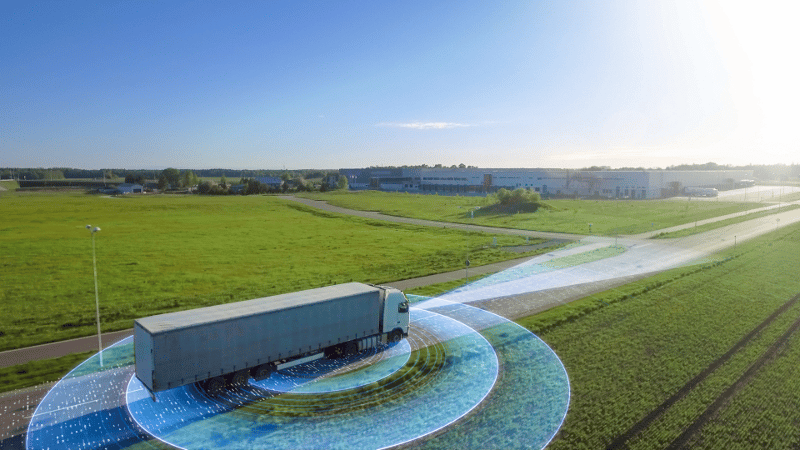
Telematics is one of those fleet terms that gets used everywhere, but it can mean very different things depending on who you ask. Some people use it as a fancy word for GPS tracking. Others use it to describe a full fleet management system that connects trucks, drivers, and the back office in one place.
For trucking fleets, the simplest definition is this: telematics is the use of connected technology to collect vehicle and location data and turn it into real-time visibility, alerts, and reports you can actually act on. It’s how you replace “I think the truck is” with “Here’s where it is, what it’s doing, and what changed.”
Telematics Meaning in Fleet Management
Telematics combines two ideas.
Telecommunications is the ability to send information over a network. Informatics is the processing and use of information to support decisions. Put them together and you get a system that collects data from a truck and shares it with people who need it, drivers, dispatch, safety, maintenance, and leadership.
Telematics is not just a dot on a map. It’s a way to understand what’s happening in the field and reduce the number of decisions made from incomplete information.
How Telematics Works
A telematics setup usually follows a straightforward loop.
Data is created by the truck and the driver’s activity. A device or system collects it. That data is sent through a network connection. Then a platform organizes it into dashboards, alerts, and history so a team can review what happened and what needs attention.
Most fleets don’t need the engineering version of how the data is packaged. What matters is the outcome. When something changes, route delays, unexpected stops, risky driving, missing paperwork, compliance issues, you want that change visible quickly, without a dozen phone calls.
Core Building Blocks of a Telematics System
Telematics isn’t one feature. It’s a stack. If any piece is weak, the experience breaks down.
Hardware or Adapters
Many systems use a piece of hardware connected to the vehicle. That hardware is the bridge between the truck and the platform.
Some fleets prefer permanent installs. Others prefer a model that reduces install effort and keeps deployment simple across the fleet. What matters is reliability, repeatability, and whether the approach fits how your trucks operate.
Connectivity
Telematics depends on connectivity to move data from the truck to the platform.
In real-world trucking, you’ll always have coverage gaps. That’s why it’s important to understand how a system behaves when reception is weak. A good solution doesn’t fall apart just because a truck drove through a dead zone. It should handle imperfect conditions without creating confusion for the back office.
Software Platform
The platform is where telematics becomes useful.
This is where dispatch checks status, safety reviews events, and management looks at patterns across the operation. A platform should make it easier to answer basic questions quickly: Where is the truck? Where has it been? What happened during the trip? What needs follow-up?
The platform is also where alerts live. Alerts can help, but only if they’re tuned to reality. Too many alerts become background noise. Too few alerts mean you find issues after they’ve already caused downtime or risk.
What Telematics Can Track (And Why Fleets Care)
Telematics can collect a lot of information. The goal isn’t to track everything. The goal is to track what helps you make better decisions.
Location and Route History
Location is the foundation. If you can’t see where a truck is, everything else becomes harder.
Route history adds context. It helps you review what happened during a run. It can also help explain delays without turning every question into a back-and-forth with the driver.
For many fleets, this is where telematics first pays off. It reduces uncertainty and makes dispatch conversations faster and more grounded.
Vehicle Activity and Event Feeds
In a busy operation, it’s not enough to know where the truck is. You also want to understand what changed.
Event feeds help you track the timeline of activity. When something important happens, documents added, faults logged, unusual movement, it’s easier to pinpoint the moment and take action.
This is how you turn “We’re missing something” into “Here’s when it happened.”
Safety Signals and Coaching Context
Telematics is often used to support safety programs.
The biggest value isn’t collecting data for its own sake. The value is having context when you coach. If a driver reports a close call, or a manager sees a concern, the team can review what actually happened and coach based on real details.
That’s a much better foundation than assumptions, hearsay, or one-sided stories after the fact.
Vehicle Health and Maintenance Planning
Many fleets use telematics data to improve maintenance planning.
The most practical goal is fewer surprises. If a system helps you catch problems earlier and document issues consistently, you can reduce the stress that comes from last-minute breakdowns and unknown shop timelines.
Telematics vs GPS Tracking
GPS tracking is usually about location. It answers “Where is it right now?”
Telematics goes further. It typically combines location with vehicle and operational data, then layers in alerts and history so teams can manage by exception instead of constant manual follow-up.
If your fleet only needs occasional location checks, basic GPS might be enough. If you need a clearer picture of daily operations, safety context, and workflow visibility, telematics is the more complete approach.
Top Fleet Use Cases in Trucking
Telematics tends to win when it reduces friction across multiple teams.
Visibility for Dispatch and Operations
Dispatch gets faster when visibility is shared.
Instead of calling drivers for updates, teams can check status and route history, then adjust plans based on what’s happening now, not what they heard 30 minutes ago.
This matters even more when conditions change mid-day. Weather shifts, traffic stacks up, schedules move. Visibility helps you respond without guessing.
Safety Coaching and Incident Clarity
Safety discussions go better when they’re based on real context.
When a driver is coached using specific details, what the road looked like, how traffic behaved, what the truck did, it’s easier to improve performance without creating resentment or confusion. It also helps fleets protect drivers when they weren’t at fault.
Compliance Support
Telematics often ties into compliance workflows.
For trucking fleets, the goal is simple. Reduce violations. Reduce the “we’ll fix it later” backlog. Keep processes clear for drivers and manageable for the back office.
Even when compliance isn’t the main reason a fleet adopts telematics, it becomes a major benefit once teams stop chasing paperwork and start working from a shared system of record.
Utilization and Productivity
Visibility also improves how fleets use assets.
When you can see where trucks are and how routes played out, it becomes easier to spot patterns. That can lead to better scheduling, fewer surprises, and less time wasted reacting to problems late.
What to Look for When Choosing a Telematics Provider
Telematics is a long-term decision. The wrong fit creates ongoing friction.
Here are the practical questions that matter most.
Start with usability. If drivers can’t use it easily, your data quality will suffer. That creates downstream problems for every report and workflow.
Ask about deployment. How much effort will it take to roll out across the fleet? How quickly can new trucks be added? What happens when a truck changes hands or moves between drivers?
Look at alerts. Can you control what triggers alerts? Can you keep alerts focused on what truly needs action? If every little thing produces a notification, teams will stop paying attention.
Review reporting. A telematics system should make it easier to answer questions, not harder. If your managers can’t find what they need quickly, the system won’t be used consistently.
Check support. When fleets need help, they usually need it now. Strong support reduces downtime and protects adoption.
Finally, consider data access. Many fleets want the option to share data with other tools. Even if you don’t need it today, it can matter later as your operation evolves.
Implementation Basics (Without Overcomplicating It)
Telematics fails when teams try to do everything at once.
Pick one or two goals first. Most fleets start with visibility and safety, or visibility and compliance. Then expand as the team gets comfortable.
Run a pilot if you can. Set basic alert rules. Build a weekly review habit. Make sure dispatch and management understand what they’re looking at and how they’ll use it.
Train the back office first. If dispatch and managers don’t use the platform, drivers won’t see the point. Adoption becomes easier when the office is aligned and consistent.
Then train drivers with simple expectations. Keep it practical. Focus on how it makes their day easier, not just how it helps the office.
Where BIT Fits: Visibility and Coaching Without Guesswork
Blue Ink Technology builds tools for trucking fleets that want less paperwork and more visibility without overcomplicating the daily workflow.
If your operation includes container moves by truck, the core goal is still the same. You want fewer “status check” calls and more confidence that the team can see what’s happening as routes and schedules change.
BIT Fleet Visibility provides real-time and historical GPS tracking, historic routes, and vehicle event feeds. That gives dispatch and management a clearer picture of what’s happening across trucks and drivers, plus a way to review what occurred at a specific moment.
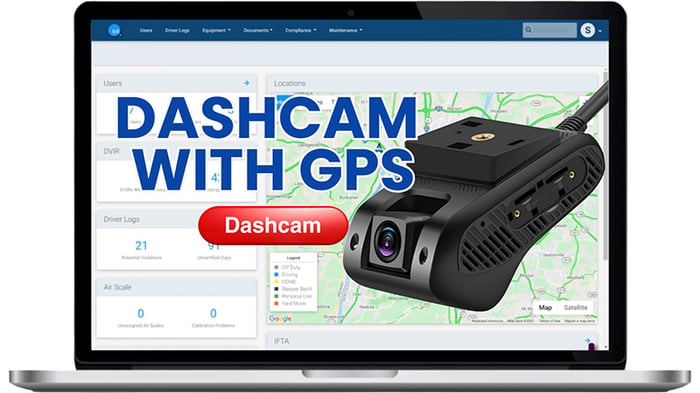
BIT Dashcam connects a truck to the cloud through the diagnostic port. It supports remote HD video access, real-time GPS fleet tracking, and driving alerts, with an SOS button for driver-issued recordings and an optional in-cab camera. When something unexpected happens on the road, video gives teams context so coaching is grounded in what actually happened.
BIT ELD supports electronic logbooks in the Blue Ink Tech app and portal. It includes Available Hours clocks with custom alerts, one-tap log certification, guided log editing, and tools like recap planning and support for team drivers. Clear hours visibility helps reduce last-minute rushing and keeps compliance workflows simpler.
BIT IFTA helps fleets track in-state miles and fuel receipts using the BIT App and BIT ELD. It supports quarterly returns with mileage and routing data, and it does not calculate state tax rates.
Telematics isn’t about collecting more data than you need. It’s about giving your team clear visibility so they can act early, not late.
FAQs: What Is Telematics?
What is telematics in trucking?
Telematics in trucking is a connected system that collects vehicle and location data and shows it in a platform so fleets can track trucks, review trip history, and respond to issues using real-time visibility instead of phone calls and guesswork.
Is telematics the same as GPS tracking?
Not exactly. GPS tracking focuses on location. Telematics typically includes GPS location plus additional vehicle or operational data, alerts, and reporting so fleets can manage safety, workflow, and performance with more context.
What does a telematics system track?
A telematics system commonly tracks vehicle location, route history, and event activity. Many systems also support alerts and reporting so fleets can see what changed, when it changed, and what needs follow-up.
How does telematics help fleet safety?
Telematics helps fleet safety by providing visibility and context. When incidents or risky situations happen, teams can review what occurred and coach using real details, which leads to clearer, more effective coaching than relying on assumptions.
What should I look for when choosing telematics for a trucking fleet?
Look for driver usability, reliable visibility, clear reporting, alert controls that don’t overwhelm your team, and responsive support. The best system is the one your dispatch and drivers will actually use every day.
How long does it take to implement telematics?
Implementation time depends on fleet size and how the system is deployed, but most fleets succeed faster when they start with one or two goals, run a small pilot, and build a weekly review process before expanding.
Does telematics replace an ELD?
Telematics and ELDs often work together. An ELD is focused on Hours of Service compliance and logbooks. Telematics is broader and typically focuses on visibility, tracking, event history, and operational insight across the fleet.
How can telematics reduce “where is the truck?” calls?
When dispatch has real-time location and route history in a shared platform, they can check status directly instead of calling drivers for updates. That reduces interruptions for drivers and speeds up planning decisions in the office.