
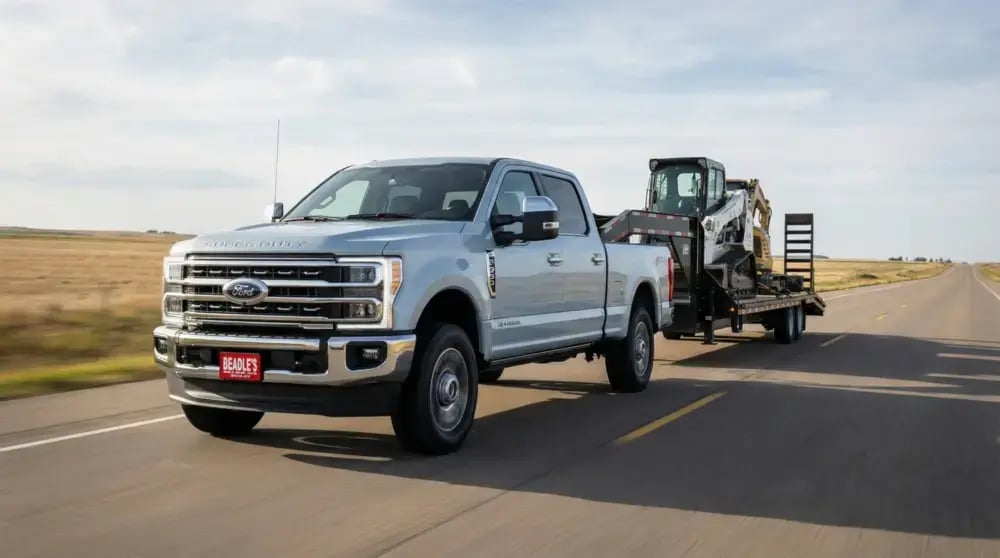
Hotshot trucking looks simple from the outside: a pickup or medium-duty truck, a trailer, and a load that needs to move fast.
But hotshot isn’t “light trucking.” It’s smaller equipment doing big-truck work under tight deadlines, with the same real-world pressure around compliance, maintenance, paperwork, and profit.
When hotshot is run well, it can be a strong business model especially for owner-operators who want flexibility and don’t mind handling the admin side. When it’s run loose, it becomes a cycle of deadhead miles, rushed loads, and repairs that eat the profit.
This guide breaks down what hotshot trucking is, the real pros and cons, and how to set it up in a way that’s predictable instead of chaotic.
What Hotshot Trucking Is In Plain Terms
Hotshot trucking is moving smaller, time-sensitive freight using medium-duty trucks (often heavy-duty pickups or Class 3–5 trucks) and trailers. The freight is usually urgent or specialized—something that can’t wait for a full truckload lane to open up.
A lot of hotshot work is “keep the job moving” freight. Parts runs, Equipment delivery, Construction materials, Farm and ag support, Automotive and industrial shipments. The common theme is speed and flexibility.
Hotshot drivers typically run as independent owner-operators. Some operate under their own authority, while others lease on to a carrier. Either way, the day-to-day looks similar: find the load, verify the details, pick it up, secure it properly, deliver on time, get proof, and move on.
Hotshot Vs Expedited Vs Traditional Flatbed
Hotshot overlaps with expedited and flatbed, but it’s not the same thing.
Hotshot is usually smaller equipment and more “rapid response.” You’re taking freight that needs to move now, but doesn’t require a full Class 8 tractor-trailer.
Expedited is about time-critical freight too, but it often involves larger equipment and more formal networks.
Traditional flatbed work can still be time-sensitive, but it tends to have more predictable lanes, established customers, and schedules that are less “drop everything and go.”
If you’re deciding whether hotshot fits you, the best question is simple: do you want flexibility and variety, even if it comes with more volatility and more administration?
Common Hotshot Truck And Trailer Setups
Your setup determines what freight you can haul, what lanes you can run profitably, and what you’ll deal with at DOT stops.
Most hotshot operators run one of these basic combinations:
Heavy-duty pickups with gooseneck trailers are common because they can handle a lot of work without going to a full tractor. Some run medium-duty chassis for more payload and durability. Trailer styles vary, but goosenecks are popular for stability and deck space.
The important part isn’t the brand. It’s the ratings and the real payload. A new hotshot operator can get burned by “it can pull it” thinking. Hotshot lives in the world of ratings, axle weights, brakes, tires, and heat. You don’t want to find your limits at the scale house or on a steep grade.
Because suspension and loading matter so much in hotshot, understanding what an air-ride suspension is helps operators avoid handling problems and uneven load issues that lead to tire wear and stability risk.
The Real Pros Of Hotshot Trucking
Hotshot has real advantages. That’s why people keep getting into it.
Lower Barrier To Entry
Compared to buying a Class 8 tractor and running full-size flatbed or dry van, hotshot can require less upfront investment. You can start with smaller equipment, build experience, then scale up as your customer base and cash flow stabilize.
This doesn’t mean it’s cheap. Insurance, maintenance, permits, and downtime still exist. But the starting point can be more accessible for many operators.
Higher Rates On The Right Loads
Hotshot can pay well when you’re running urgent or specialized freight. Shippers pay for speed and reliability, especially when a project is stuck and your delivery is the difference between work continuing or crews waiting.
The key is “right loads.” Chasing high rates without looking at deadhead, loading time, and wear-and-tear can make a “good paying” load turn into a loss.
Flexibility And Autonomy
Hotshot appeals to owner-operators because you can choose your loads, your schedule, and your lanes. Some drivers build a model around staying regional and sleeping at home. Others chase nationwide hot work.
That flexibility is real, but it comes with responsibility. You’re not just driving—you’re also dispatch, safety, maintenance, and billing.
Faster Feedback Loops
Hotshot operations tend to move faster. You run more pickups and deliveries, which means you learn quickly. You also get faster feedback on what your market pays, what customers value, and what lanes make sense for your equipment.
That’s a big advantage if you’re disciplined and track your numbers.

The Cons That Catch New Hotshot Operators Off Guard
Hotshot can be profitable, but it’s not forgiving.
Income Volatility And Competition
The hotshot market is crowded. Load boards can feel like a race to the bottom, and rates swing fast. You’ll have weeks where everything lines up, then weeks where you’re fighting deadhead miles and watching margins disappear.
If you don’t have a pricing floor and a lane plan, hotshot turns into “take what you can get.” That’s where operators burn out or go broke.
Maintenance Hits Faster Than People Expect
Pickups and medium-duty trucks can do serious work, but hotshot puts them under constant load and constant stress.
Brakes, tires, suspension components, wheel bearings, transmissions, cooling systems—hotshot exposes weak points quickly. Maintenance isn’t optional; it’s the cost of staying in business.
If you want a practical mindset for staying ahead of repairs, building routines around trucking fleet maintenance is one of the best ways to reduce downtime and avoid the expensive “surprise failure” cycle.
Compliance Pressure Is Still Real
Some new operators assume a smaller truck means easier compliance. In practice, commercial operation brings DOT attention. Depending on your weights, lanes, and how you’re operating, you may deal with weigh stations, inspections, HOS requirements, and paperwork expectations.
Hotshot also adds pressure because loads are often urgent. When time is tight, the temptation to cut corners gets strong. That’s exactly how violations and out-of-service situations happen.
Physical And Mental Demands
Many hotshot setups don’t offer the comfort of a sleeper. You may be running long days with fewer rest options and more time loading, securing, tarping, and dealing with customers directly.
Hotshot can be a lot of “outside work.” If you don’t like securement and physical routine, hotshot will feel heavy fast.
The Admin Stack
Hotshot isn’t just driving. It’s documents, proof of delivery, rate confirmations, insurance renewals, fuel receipts, maintenance tracking, IFTA prep, and business math.
If you don’t set up a simple system from day one, you’ll end up rebuilding your paperwork at the end of the month when you’re already tired.
CDL Vs Non-CDL Hotshot: The Line You Can’t Ignore
One of the biggest hotshot questions is CDL vs non-CDL.
In general terms, CDL requirements depend on your vehicle and trailer ratings and the combined weight rating, along with other factors like the type of freight and specific state rules.
A common threshold people talk about is when the combined rating crosses the CDL line and when the trailer rating crosses key limits. The exact rule application can vary by situation, so the smart move is confirming your setup against current federal and state requirements before you invest.
The operational takeaway is simple: you can’t guess your way through compliance. Your equipment choice decides what rules you live under, and it affects insurance, lanes, and what loads you can safely and legally haul.
Do Hotshot Drivers Need HOS Logs And An ELD?
Hotshot operators often ask this because they associate ELDs with big rigs.
In practice, if your operation falls under HOS rules and you’re required to keep records of duty status, an ELD becomes part of running compliant. Some hotshot operations may qualify for certain exceptions depending on radius, time, and operational details, but those exceptions get misunderstood constantly.
The safest approach is treating compliance as a built-in daily routine instead of a “maybe” decision. When logs are clean and easy to manage, you don’t waste time fixing mistakes later.
That’s why understanding how an ELD works matters even if you’re running smaller equipment. The rules don’t care what it feels like—you’re either tracking correctly or you’re not.
What Hotshot Truckers Actually Haul
Hotshot freight is usually practical freight. The stuff that keeps work moving.
Common hotshot loads include small equipment, attachments, skid steers, construction materials, pallets of parts, jobsite supplies, agricultural items, and automotive/industrial components. Some hotshot operators specialize—like equipment-only, oilfield support, or regional construction.
Securement is where hotshot gets serious. Every load needs to be treated like it’ll be inspected, because it might be. Straps, chains, binders, edge protection, and tarps aren’t optional skills. They’re the job.
If your securement routine is weak, you’ll lose time, take more risk, and bleed profit through rework.
Startup Costs And Ongoing Costs: The Simple Breakdown
Hotshot costs come in two buckets: startup and ongoing.
Startup is truck, trailer, insurance, authority or lease-on setup, plates/permits, and basic equipment like straps, chains, tarps, winches, and tools. A lot of operators underestimate the “small stuff,” then get hit with a pile of purchases in month one.
Ongoing costs are where hotshot lives or dies.
Fuel, tires, brakes, oil changes, repairs, insurance, load board fees, factoring fees if you use them, and downtime. Add deadhead miles, and the math gets real fast.
This is where many new operators fail: they chase “good rates” without knowing what their business actually costs per mile. If you’re running hotshot, the discipline of calculating your cost per mile isn’t optional. It’s your pricing floor.
A Practical First 30 Days Plan For New Hotshot Operators
The first month is where habits get built. This is how you keep it predictable.
Start by choosing what freight you want to haul. “Anything that fits” sounds flexible, but it usually creates chaos. Your trailer and securement gear should match your lane.
Next, build a repeatable pre-trip and load securement routine. Not a complicated one—just consistent. Do it the same way every time, and fix your weak points early.
Then set a pricing floor. Include fuel, maintenance, insurance, deadhead, and your time. If you don’t price deadhead into your decision-making, the market will punish you.
Finally, decide how you’re going to track logs, documents, routes, and maintenance from day one. Don’t wait until you’re busy. Busy is when things get lost.
Where BIT Fits For Hotshot Fleets And Owner-Operators
Hotshot runs better when compliance and visibility aren’t a second job.
BIT is built for practical fleets and owner-operators who want simple workflows that work in the real world: driver-friendly logs, clean records, and tools that reduce manual admin.
For hotshot operations, the biggest win is keeping everything consistent.
Drivers handle logs and inspections in one place. Documents can be captured when they happen instead of hunted down later. The office can see where trucks are without constant check-calls. If something goes sideways, video and route context help you answer questions quickly.
The point isn’t “more tech.” It’s fewer surprises, fewer wasted hours, and less time rebuilding paperwork at the end of the week.
Frequently Asked Questions
What Is Hotshot Trucking In Simple Terms?
Hotshot trucking is hauling time-sensitive, smaller freight using pickups or medium-duty trucks and trailers. It’s often urgent freight that needs to move faster than standard lanes.
Do You Need A CDL For Hotshot Trucking?
Sometimes. CDL requirements generally depend on your truck and trailer ratings and the combined weight rating, along with other factors. Before you commit to a setup, verify how the rules apply to your exact combination and operating area.
Do Hotshot Drivers Need An ELD?
If your operation is required to track HOS and keep duty status records, an ELD may be required. Some operations may qualify for certain exceptions, but those depend on how and where you run. A simple compliance routine is usually the safest path.
What Trailer Is Best For Hotshot Trucking?
It depends on your freight type. Goosenecks are common for stability and deck space. The “best” trailer is the one that matches your target loads, has the right ratings, and supports safe securement.
What Are The Most Common Hotshot Loads?
Equipment and attachments, construction materials, jobsite supplies, pallets of parts, agricultural items, and industrial components are common. Many hotshot operators build a niche so they can quote faster and run more predictable lanes.
Is Hotshot Trucking Profitable?
It can be, especially when you run a niche, keep deadhead under control, price with a real cost-per-mile floor, and stay ahead of maintenance. It gets unprofitable fast when you chase rates without tracking the full cost.
What Are The Biggest Mistakes New Hotshot Operators Make?
The most common mistakes are underestimating maintenance and downtime, taking loads without accounting for deadhead, ignoring securement discipline, and letting paperwork pile up until it becomes a problem.
What Should Hotshot Drivers Track Daily To Stay Ahead?
Track your hours, maintenance signals, fuel and deadhead patterns, and the documents you need for billing and compliance. The hotshot operators who stay consistent here usually avoid the end-of-week scramble.