
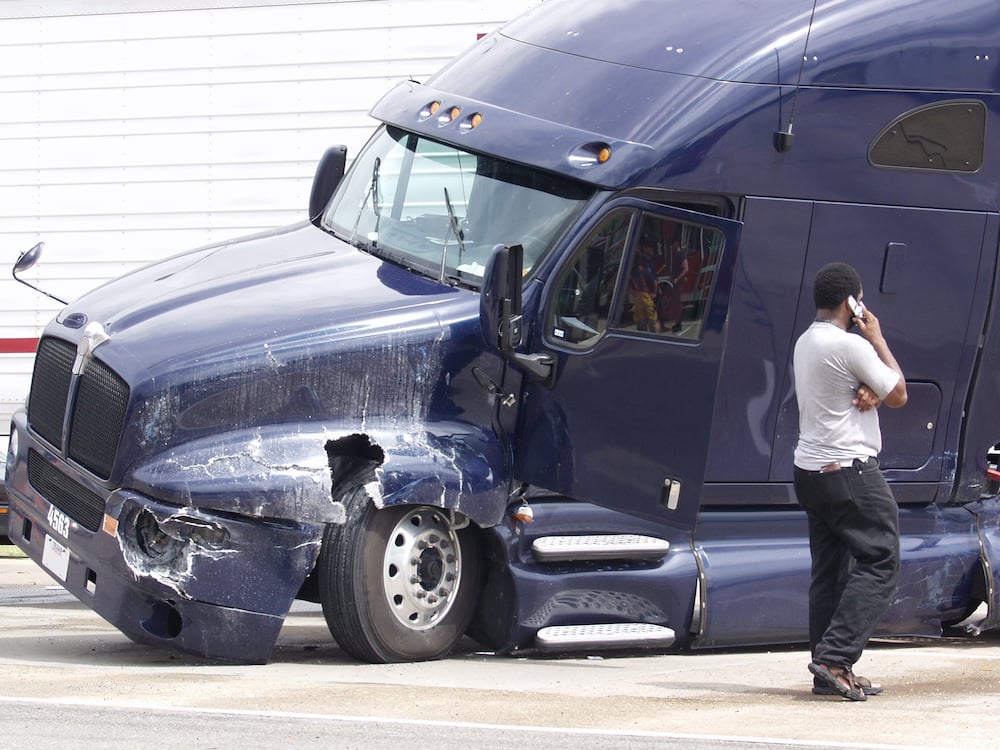
In trucking, the biggest damage after an incident is often uncertainty. Everyone has a story, but stories don’t settle claims, protect careers, or stop a false allegation from turning into a long dispute.
That’s where dash cams change the outcome. A dash cam can capture what happened in real time, from a consistent point of view, and preserve details that get lost within minutes of a crash or close call.
Driver exoneration is not just about winning an argument. It’s about protecting a driver’s record, reducing claims friction, and keeping a fleet from spending weeks dealing with something that could have been resolved with clear proof.
This guide breaks down how dash cams support driver exoneration, the most common real-world scenarios, what footage can and can’t prove, and how fleets can build a repeatable process for using video the right way.
What “Driver Exoneration” Means In Trucking
In fleet terms, driver exoneration means proving the driver was not at fault or disproving an allegation that the driver caused the incident.
That might be a crash on the highway, a sideswipe in a merge, or a parking-lot scrape where someone insists your truck caused damage.
Exoneration can also apply to non-crash disputes. A customer claims property damage at a site. Another driver claims your truck forced them off the road. A third party claims reckless driving.
When you can show what actually happened, you reduce the “he said, she said” cycle that drags out claims and creates stress for drivers and managers alike.
Why Video Evidence Changes Everything
Dash cams give fleets something that matters more than opinions. They provide a record.
That record can show the sequence of events, the timing, the lane position, and what other vehicles were doing in the seconds before the incident. Even when the outcome is still debated, video often narrows the argument to the facts.
It Replaces “Word Vs Word” With A Record
Many trucking disputes come down to competing narratives. Passenger vehicles, witnesses, and even other commercial drivers may describe the same event in different ways.
Video doesn’t eliminate every question, but it replaces guesswork with real context. It can show whether a car cut in too close, whether a lane change was sudden, or whether a vehicle braked unexpectedly.
That matters because liability is usually decided on the sequence of actions. The sequence is exactly what video captures best.
It Speeds Up Decisions
Fleets lose time and money when incidents linger. Claims stay open, vehicles sit, and drivers worry about their job. Managers chase documents and phone calls.
Video can speed up the internal review process because a safety manager doesn’t have to reconstruct the story from memory. They can see it.
It can also reduce the time spent going back and forth with outside parties, because the conversation shifts from opinions to evidence.
If you’re trying to reduce the operational cost of claims, this is one of the most direct levers you can pull.
The Most Common Exoneration Scenarios For Commercial Drivers
Exoneration is not only about major crashes. Many of the most frustrating disputes happen in everyday situations where the truck is an easy target.
Below are the scenarios where dash cam footage often makes the biggest difference.
Cut-Ins And Sudden Braking
A passenger vehicle merges into the lane, leaves little space, and then brakes hard. The truck has limited options and may get blamed automatically because it’s larger.
Video helps show the timing of the merge, the gap that existed, and how quickly the braking occurred. That context can be critical in determining fault.
This scenario is also why safe following distance matters for fleets. A dash cam doesn’t replace good spacing, but it can protect a driver when someone else creates a hazard.
Unsafe Lane Changes By Passenger Vehicles
Side impact claims often come down to one question. Who moved into whose lane?
Dash cam footage can show lane position, signal behavior, and whether the other vehicle drifted, swerved, or tried to squeeze into a space that didn’t exist.
Even when the camera can’t see every detail, it often captures enough of the surrounding traffic pattern to clarify what likely happened.
Intersection Conflicts And Right-Of-Way Disputes
Intersections create complicated disputes because drivers remember “having the right of way” even when they didn’t.
A dash cam can capture the approach, the timing of the light cycle, and whether another vehicle entered late or ignored a stop requirement.
For commercial drivers, this is important because intersection incidents can escalate quickly into serious claims and major liability questions.
Parking-Lot And Yard Accidents
Parking-lot incidents are some of the most frustrating disputes for fleets. The truck is parked, another vehicle backs into it, and suddenly your driver is blamed.
Dash cam recording can help capture movement around the truck, the direction of travel, and the moment of impact.
When a fleet can show what happened in a low-speed incident, it can reduce false blame and keep small events from turning into expensive claims.
False Damage Claims At Customer Sites
Customer-site damage claims happen more often than fleets want to admit. A facility claims a driver hit a pole, scraped a dock, or damaged a barrier.
Without video, the fleet is stuck trying to prove a negative. With video, you may be able to confirm whether contact occurred, when it occurred, and what the surroundings looked like.
Even if video doesn’t prove everything, it often adds enough context to challenge exaggerated or incorrect claims.
Fraud Patterns And Suspicious Claims
Some claims don’t pass the smell test. A vehicle claims a crash happened a certain way. The story changes. The damage doesn’t match the description.
Dash cam footage can help fleets identify inconsistencies and defend drivers when the claim is questionable.
You don’t need to label something “fraud” on day one. You just need the ability to verify what happened and respond with evidence when the story doesn’t match reality.
What Dash Cams Can Prove (And What They Can’t)
Dash cams are powerful, but they aren’t magic. Fleets get better results when they understand what footage usually proves well and where limitations exist.
This section matters because it builds trust. Drivers and managers both need realistic expectations.
What Good Footage Usually Shows Clearly
Dash cams are strongest at showing sequence and timing. They can show how traffic was flowing, when another vehicle moved into a lane, and what the driver did in response.
They often show lane position, spacing, and changes in speed relative to surrounding vehicles. They also preserve the moments before impact, which is where most liability questions get answered.
For many incidents, that’s enough. The argument becomes much smaller when you can see the key seconds unfold.
Limits Fleets Should Understand
Camera angle matters. A forward-facing camera won’t always capture what happens at the rear corner of a trailer or on the passenger side.
Lighting and weather matter. Heavy rain, glare, and darkness can reduce visibility and blur details.
Obstructions matter too. A large vehicle in an adjacent lane or a dirty windshield can block critical parts of the view.
This is why pairing footage with basic context is important. Time, location, and a short driver statement help explain what the camera does not fully capture.
Video doesn’t remove every question. It reduces uncertainty and makes decisions more fact-based.
How To Use Dash Cam Footage For Exoneration
Dash cams only help if the fleet has a process to capture, preserve, and share the right footage quickly.
You don’t need a complicated playbook. You need consistency.
Step 1: Capture And Preserve The Right Clip
The first goal is preserving the incident window. Most disputes hinge on what happened in the seconds before and after the event.
Make it routine that the driver reports the incident promptly and that the fleet preserves the clip before anything can overwrite it.
When fleets skip this step, they often lose the most valuable evidence.
Step 2: Pair Footage With Basic Context
Video is strongest when it’s paired with a few facts that frame the event.
Capture the time, general location, vehicle identification, and a short driver description of what happened. Keep it simple and factual.
This helps internal reviewers and outside parties understand what they’re seeing and why it matters.
Step 3: Share With The Right Parties
Once the fleet has the clip and context, the next question is who needs it.
At a minimum, internal safety or operations leadership should review footage quickly. Insurance claims teams may also need it when a claim is filed.
The goal is not to blast video everywhere. The goal is to provide evidence to the parties responsible for decision-making so disputes don’t linger.
Step 4: Close The Loop With Documentation Or Coaching
Even when a driver is exonerated, the event is still useful. It shows a risk pattern, a route issue, or a recurring behavior from passenger vehicles.
Document the outcome and store the clip. Over time, that library becomes a safety resource and a claims defense asset.
When coaching is needed, use the footage as a teaching tool. Coaching lands better when it is specific and grounded in reality, not general criticism.
If you want a practical framework for coaching and operations using video, this internal article on managing fleets with video telematics is a strong companion: use video to coach without guessing.
Driver Acceptance: Dash Cams Work Best When Drivers Trust Them
Dash cams can improve safety culture or damage it. The difference is how fleets position them.
If drivers think cameras exist to punish them, adoption will be slow and resentment will build. If drivers believe cameras protect them, acceptance changes fast.
The best message is simple. Dash cams protect drivers in disputes.
That message becomes real when drivers see footage used to defend them, not just to criticize them.
Clear policies matter too. Drivers should know when footage is reviewed, who can access it, and what triggers a clip pull. Ambiguity creates fear.
When fleets treat dash cams as a driver protection tool first, trust becomes part of the rollout.
If you’re building a driver-first adoption plan, this internal guide on getting drivers on board with cameras can help drivers see dashcams as protection.
Where Blue Ink Technology Fits
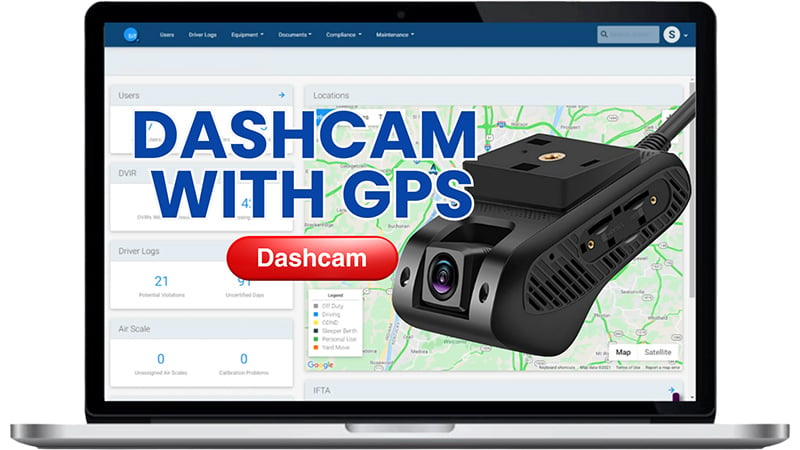
Blue Ink Technology supports fleet visibility and documentation through BIT Dashcam.
BIT Dashcam plugs into the truck’s diagnostic port to connect the truck directly to the cloud. Installation takes minutes and fleets can remotely access hi-def videos from the web.
BIT Dashcam supports real-time GPS fleet tracking and includes an SOS button for driver issued recordings. An optional secondary camera can be added for in-cab video.
For incident documentation, BIT Dashcam is constantly recording to capture situations even when the truck is off. It can automatically alert admins when an event of concern is detected and provides access to over 60 hours of continuous video.
BIT Dashcam also includes built-in ELD capabilities and works as a FMCSA certified ELD for fleets that need hours-of-service logs in the same platform.
A Simple Exoneration Playbook For Fleets
Exoneration works best when the fleet makes it routine, not reactive. A simple playbook keeps everyone aligned.
Define what triggers a video review, even for low-speed incidents. Set a time expectation for pulling clips so evidence is preserved early. Store clips with a consistent naming format tied to vehicle, driver, and date.
Use a short incident summary template so every case has the same basic context. Track outcomes so you know when drivers were exonerated and why.
If you’re tightening your fleet safety process more broadly, it also helps to understand the driving behaviors that increase rear-end risk. This internal guide on space cushion driving pairs well with exoneration planning: maintain a safe space cushion in traffic.
Conclusion: Protect Drivers, Reduce Claims Friction
Dash cams provide something fleets rarely get in disputes: clarity.
They protect drivers from wrongful blame, reduce time spent chasing conflicting stories, and improve how quickly claims and disputes get resolved.
Video alone is not a safety program, but it is a powerful tool. When a fleet pairs dash cams with a simple process for preserving and reviewing footage, exoneration becomes faster and more consistent.
In trucking, fairness matters. Evidence helps you get there.
FAQs
What Does Driver Exoneration Mean In Trucking?
Driver exoneration means proving a driver was not at fault or disproving a claim about what happened. In fleet operations, it often reduces liability disputes, claim delays, and wrongful blame on a driver’s record.
How Do Dash Cams Help Exonerate A Driver After A Crash?
Dash cams provide objective video evidence that captures the sequence of events. Footage can show lane position, cut-ins, sudden braking, and timing details that help clarify who caused the incident.
Can Dash Cam Footage Help With Insurance Fraud Claims?
Dash cam video can help identify inconsistencies between a claim and what actually happened. Even when a fleet does not label a claim as fraud, footage can provide evidence that challenges incorrect or exaggerated allegations.
How Fast Can A Fleet Use Video To Resolve A Dispute?
Speed depends on how quickly footage is captured and shared. Fleets that have a consistent process for preserving clips and reviewing incidents can often shorten the time spent in “uncertainty” after an event.
What Should A Fleet Save Alongside Dash Cam Video For Proof?
Video is strongest when paired with basic context such as date, time, general location, vehicle identification, and a short driver statement describing what happened.
Do Fleets Need Road-Facing Or In-Cab Cameras For Exoneration?
Many exoneration cases can be supported with road-facing footage because it shows traffic behavior and the sequence of events. Some fleets choose in-cab cameras based on their policies and operational needs, but it is not required for every dispute.
What If The Dash Cam Didn’t Capture The Full Incident?
Camera angle, weather, and obstructions can limit what footage shows. In those cases, route context, timing, and additional documentation can still help support the driver’s account, even if video does not capture every detail.
How Does BIT Dashcam Support Exoneration Workflows?
BIT Dashcam plugs into the diagnostic port to connect the truck to the cloud, supports remote access to hi-def video from the web, and provides real-time GPS fleet tracking. It also supports an SOS button for driver issued recordings and can automatically alert when a crash is detected.